


The world of miles and points is a complicated one!
Earning and redeeming miles and points to get free flights and hotel stays comes with learning and keeping up with the constantly-changing rules of banks, credit cards, airline partners, redemption rules, and plenty more.
So, it’s easy to get stuck or confused the deeper you dive in.
From blog comments to questions in my Facebook Group, Travel Hacking Study Hall, to everyday questions from family questions, it’s clear there are several common misunderstandings about travel hacking.
In this guide, I’ve done my best to debunk them!
Myth 1: Opening up credit cards lowers your credit score.

When you initially sign-up for a credit card, your credit score can temporarily dip by a few points.
If you’re responsible with your spending and about paying your monthly balance, this will be short-lived.
On the upside, you’ll increase the amount of credit that is extended to you, which helps your debt-to-credit ratio, an important factor when calculating your credit score. It could even be enough to offset the dip you’ll see for the new application.
Remember, banks are running a business and they want to attract the best consumers to their products.
Credit cards are one of the products banks offer. If you show you’re responsible with your credit cards, that bank and other banks will want to offer you more of their products.
Myth 2: Signing up for credit cards just to get the bonus is bad for your credit.
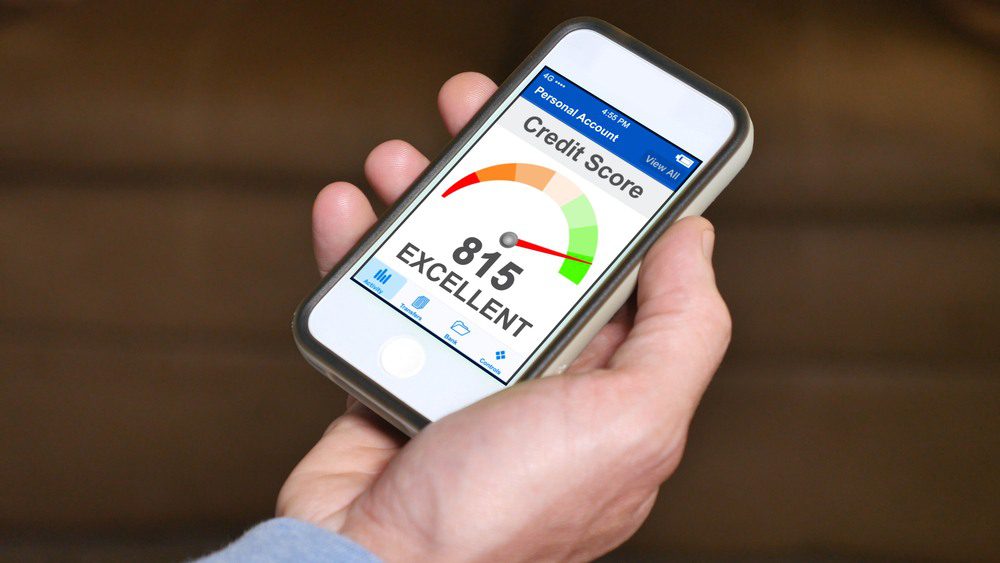
If you sign up for credit cards, earn and burn the bonus, and then close the card only having had it for a few months, yes, banks and your credit score won’t like it.
It’ll also make it difficult to get approved for other cards from that bank and other banks in the future.
However, if you target a welcome bonus to reach a travel goal or as part of your miles and points strategy, that’s something different.
Show yourself to be a responsible and creditworthy customer by using the card (even for small purchases). Pay all your bills in full & on time, and keep the card open for at least a year. This is good for your credit score.
In fact, the more lines of credit you have available to you, while only utilizing a small piece of that credit for monthly expenses, will give you a low credit utilization percentage, which will help your credit score go up.
Myth 3: It must be “breaking the rules.”

Banks view their credit cards as products. These products come along with terms and conditions, of course, but they also come with bonuses and perks. It’s not “breaking the rules” to take advantage of them.
Most of us don’t think twice about promotions and products that other businesses offer.
For example, grocery store promotions around the holidays offer a free turkey or ham if you spend a certain amount of money within a given period of time.
Coffee shops, sandwich shops, and nail salons sometimes have member cards that give you the 11th item/service free after buying 10.
What about a local gym that offers a membership for $1 the first month and a discounted promotional rate for the remainder of the year?
It’s not “breaking the rules” to take advantage of these perks and promotions. It’s certainly not “breaking the rules” to apply for a travel rewards credit card to earn and burn miles and points for award travel.
Myth 4: It takes a lot of spending to earn a lot of points.

You never, ever want to spend more than you can afford to pay off at the end of a month.
Over time, the interest you’ll pay for carrying balances outweighs the value of the miles and points.
Use your credit card to pay monthly bills like cable, cell phone, internet, Netflix, and insurance. You can earn points for the money you already spend on these expenses.
Many travel rewards credit cards, as well as co-branded airline cards and hotel credit cards, come with bonus categories that offer 2-5x the miles and points for purchases like gas, groceries, travel, and dining out.
Knowing when to use which card is the key to maximizing your miles and points earnings.
You can also sign up for airline and hotel dining programs to earn miles and points in addition to what you’d earn from a credit card that offered a dining-out bonus category.
I love to use shopping portals to earn miles and points for the things I was already planning to buy.
It’s not about spending more, but about spending wisely.
Myth 5: It’s too complicated to keep track of all the points and loyalty program benefits.

Being organized is important, no doubt about it.
It doesn’t have to be complicated, though.
Beginners can start out with a simple spreadsheet listing important information, like account/membership numbers, point balances, bonus categories, and if/when any miles or points could expire.
Myth 6: Points make travel completely free.
Free travel is a bit of a misnomer.
Even with miles and points, you’ll still have to pay taxes and fees for airline and hotel bookings or things like resort fees and award surcharges.
The best travel rewards cards come with annual fees, some quite high. You should always use all of the benefits and perks that come with the card to offset the fee. But if you don’t, the annual fee becomes part of your overall travel expense.
So what usually gets sold as “free” travel is better described as travel with a steep discount.
Myth 7: Luxury travel is the only goal.

Who doesn’t love the idea of flying to Europe or Asia in a lie-flat seat or staying in a swanky hotel suite?
But travel hacking should be more your travel goals and not chasing the viral posts on social media we all see showing off business class pajamas and champagne.
If your miles and points help you take a trip that you couldn’t have otherwise afforded to take, then that’s the big win.
I’ve always favored more trips (even in economy) rather than flying in a premium seat 1-2 times a year. Even with an occasional splurge, traveling more feels more “valuable” to me.
So don’t get swept up in the chatter of miles and points online, trying to keep up with what other people are doing. Focus on the best ways your points and miles can help you with your travel goals.
Myth 8: You need to be an expert before starting.
If you do this, you’ll never start.
The key is to begin with 1 flexible travel card or 1 airline/hotel award program. Then, learn as much as you can about that one thing as quickly as you can.
Slowly, build on what you know from there, focusing on your travel goals.
Want to go to Hawaii and you’re earning Chase Ultimate Rewards Points? Focus on just this to start so that you can redeem your miles and points as strategically as possible with what you know at this point.
The more you learn, the better you’ll become at earning and using miles and points.
Myth 9: You should hold onto your points until the perfect redemption.

Let me say this right from the start. Your first redemption is unlikely to be your best.
You use what you know at the time you need to book your award flight or hotel night. Continue learning and each time you use your miles and points, it’s bound to be better than the last.
What’s worse than a less-than-ideal redemption? Seeing a stack of points devalue overnight because the loyalty program has changed its pricing for the worst.
When it comes to points and miles, earn and burn should be your strategy. Focus on how you can use your miles and points to take the trips you want or need to take for less than you would’ve spent otherwise.
Myth 10: Miles and points are just not worth it!

This one gets me all the time!
This is like telling someone who regularly goes to the gym and has lost 20 lbs. that it’s not worth it. I guess it’s hard to understand others’ skepticism when you’ve had such amazing results.
Here are just some of the places my husband and I have flown on award flight tickets to and/or from:
- London,
- Paris,
- Rome,
- Geneva,
- Prague,
- Budapest,
- Iceland,
- Romania,
- Stockholm,
- Madrid,
- Finnish Lapland,
- Costa Rica,
- Bangkok,
- Singapore & Malaysia, and
- Turks & Caicos.
I’ve flown family members on award tickets to London and the Canadian Rockies. I’ve also flown to and/or from South Africa, Chile, Argentina, and Thailand…(yep you guessed it!) all on award tickets!
And, this list doesn’t even include everything, nor does it list domestic award flights or award hotel stays I’ve gotten with points!
So, when I’m asked if travel hacking is worth it, I smile widely and confidently say, “Absolutely.” (How else could I afford all of this on a teacher’s salary?)
Bottom Line
Earning and redeeming miles and points to get free flights and hotel stays comes with a steep learning curve. But it doesn’t mean getting stuck believing some of the most extreme misconceptions about award travel.
Start simply. Don’t overwhelm yourself with too many cards or trying to learn too many programs all at once. Keep yourself organized. And above all focus on your travel goals to make sure this fun, but sometimes head-spinning, hobby is something you can enjoy for a long time.
Which travel hacking myth is getting in your way?
Like this post? Please share it on social media using the share buttons below!
Great article & tips. I’ve never travelled with a Credit Card but now I am getting older I’m definitely looking into it 🙂
Simone
Simone x |
Thanks, Simone. Glad it got you thinking about ways to save on travel!
Omg, yes! It is definitely worth it!! I did first thought that it will take forever to earn points, but as long i use it for other expenses, like you said, it all add up! I’m so excited because I’m adding up a lot of points and can use it for my next flight! 🙂 I love how some credit cards would give you 2x on most days and then on a specific day, (for example, every first Friday of the month), it would be 3x points! 🙂
so yes, it’s worth it! 😉
So worth it, right Stacey! It’s all about knowing which cards to use to maximize bonus points and using your card for everyday expenses. Congrats on all your points earning! 🙂
I have a creditcard that comes with my bank package (e.g. account, internet banking, bankcard) but other than that, I never really looked into other options. Paying with a creditcard in Europe (esp.) Holland is still not common at all unfortunately, I wish it were different though!
We are lucky, Antonette, that in the U.S. we have strong travel rewards programs through our credit card system. No doubt it’s more challenging elsewhere.
Getting miles is something I still have to learn. I am terrified of banks and banking system, and I rarely use bank cards (I prefer cash), but I do understand the benefits. I’m going to subscribe to your blog and hope to learn something from you. Thanks!
Great! Thank you! It can definitely seem daunting, but even small steps can yield a good return.
Some wise advice in there! Maybe I should pay off my credit card balance…… :/
Thanks, Amelie. Yes, it’s important to not charge more than you can afford to pay off in a month. Carry balances over time will negate the value of the points you are earning. Check and see if any of your credit cards offer a balance transfer with a 0% interest promotional period. Although, transferring balances a lot doesn’t look great on a credit report, using this option once or twice should be fine.
We always use our credit card to pay monthly bills and everything else. Even if we just go to the corner store, we use our credit card. We just pay it off before the end of the month. Points add up quickly 🙂
That’s exactly it, Lesley! Earning miles and points is much easier on the ground by doing as you say. Use your credit card for monthly bills and even visits to the corner store. The points will be rolling in!
Great article! We’ve been trying to get more savvy with our credit card points building and these help for sure! We are finding it worth it though you are right, organization is key when there’s multiple point systems being used!
Thanks, Carolann! Organization is important because you don’t want to lose track of what you’re earning or when (some) points might expire. I started with a simple spreadsheet, but now use AwardWallet to help me keep track of everything for my husband and I.
We have started getting additional cards. We now have four between us two!
Great, Carol! It’s so important to start slowly and do what you’re comfortable with. Thanks for sharing!
I love using my credit card to earn points for travel. I maximize my bonus points and usually use the points to pay for hotels or train tickets. It’s really doesn’t take that long to reach the minimum amount for a bonus either. Putting accommodation, transportation, and food on the card adds up quickly.
That’s great, Dana! I think so many people get nervous when they see the minimum spend to reach the bonus, but as you said, it’s easy when you put your everyday expenses on the card. Thanks for sharing!
Nice compilation of travel myths Jackie! I know some people who believe in #4 (you need to spend more to gain new points) – will definitely share this with them. I agree that one shouldn’t spend more than they can pay at the end of each month.
Thanks so much, Joann! It’s so important to not overspend and to pay off your bills at the end of the month.
I love your posts! They are so so so useful. Thanks for this. I had no idea about many of these!
Thanks, Bobbi! So glad the post was useful. 🙂
Great post. I must admit i’m a bit too lazy for travel hacking but when I get home i’m going to sign up for the credit cards which allows me to save up extra on my British Airways airmiles.
Thanks for your comments, Sophie. I have to say that even “lazy travel hackers”can earn a good amount of travel rewards. 😉
This was a great article and very informative!! Thank you!!’
I read in the ‘About the Author’ that you’ve been to *nearly* every state in the U.S.; a suggestion here: Visit Vermont in the Fall. I’m a bit biased?, but you will love it. Bring your camera. Vermont is also pretty in the winter, but very cold.
Thank you again.
Thanks for reading, Jeannette. Vermont is a beautiful state. Thanks for tips!