


Probiotics for travel can be a game-changer to your travel plans. No one wants to get sick when they travel especially with an upset stomach…or worse loose stools! All those travel plans and excitement completely derailed.
In my experience, travel probiotics have made all the difference between good gut health and an incident-free vacation or one spent missing out stuck in your hotel room bathroom. Not only can probiotics help your digestive system, but they can also help prevent and stop traveler’s diarrhea and boost your immune system overall. Win-Win!
In this guide, I’ll share why I take probiotics to stay healthy and how to choose the best probiotics for travel.
Why I Take Probiotics for Travel
As a teacher, my immune system is constantly under attack from I don’t want to even know how many types of bad bacteria and viruses. From the normal everyday germs kids carry to sicknesses that take out an entire classroom a few children at a time, there’s almost nothing my immune system hasn’t battled.
But that still doesn’t mean I leave anything to chance when I travel. And neither should you. That’s where probiotics come in.
I imagine you planned that trip to Cambodia to marvel at the Angkor Temples and Mexico to enjoy the fun in the sun not to learn pharmacy locations and stay hold up in a hotel bathroom. Visiting South America to explore Ecuador and finally see the Galapagos Islands is best done with a healthy gut. Am I right?
So, let’s start with a few reminders of all the potentially harmful bacteria you might run into while traveling, as well as the parts of the travel experience that could make you sick or cause digestive issues.
1. Airports
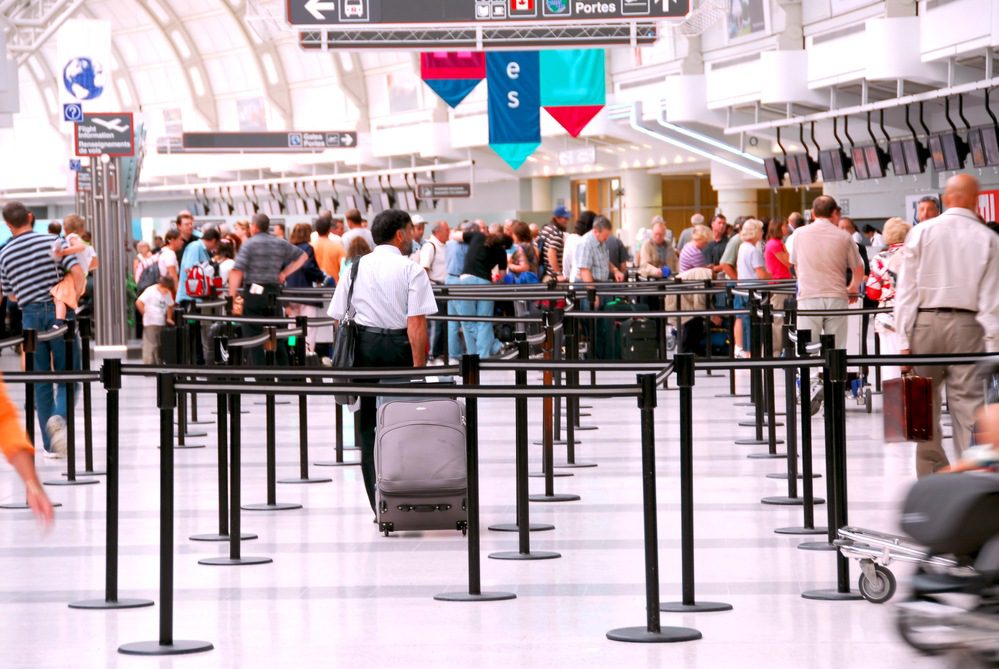
From the automated touchscreen check-in kiosks to the public restrooms, security lines, unventilated airport terminals, and everything in between, airports are a germ’s fantasy come true with an unlimited number of people to whisk them on neverending round-the-world getaways.
Frequent traveler or not, we’ve all cringed in restrooms with no soap to wash our hands or when seated close to someone who can’t stop coughing. Even before arriving at our destination, our immune function is being put to the test.
2. Your Body Clock

At home, most of us are creatures of habit. Our bodies are used to the rhythm of a typical day. The times you eat and sleep are consistent and your body manages its defenses in line with this internal clock.
Travel disrupts all of this. You change time zones, sleep at odd hours or maybe not at all, and eat different foods outside of your normal meal times. Even for healthy adults, these sudden changes to our body clock put a strain on the way the body works.
Not surprisingly gastrointestinal health is the easiest to knock off kilter. And this doesn’t even take into consideration any possible pre-travel anxiety you may have that also can affect an otherwise healthy gut.
3. Dehydration

It’s no secret flying dries you out. But did you realize lower levels of hydration can lead to fatigue? Not to mention, dryness means your body is less able to catch would-be germs and viruses before they have a chance to overwhelm your body’s defenses.
Nasal passages are a first line of defense against bacteria and other germs. When they’re hydrated, they can flush out germs before they enter your system. This is a fancy way of saying, you feel the need to blow your nose or sneeze which gets rid of any intruders. But a dry nose has a harder time getting rid of germs.
Similarly, when you stay hydrated, the flow of water keeps things moving throughout your body.
4. Unsafe Water

It’s a sad fact most of the world doesn’t have access to clean drinking water from the tap. Drinking bottled water is the first step to protecting yourself.
But, what about raw fruits and vegetables? What water was used to wash them? Drinks served with ice become risky. Even brushing your teeth with tap water or accidentally opening your mouth in the shower can and will make you sick.
Most of us take clean water for granted and it’s easy to accidentally turn the tap on your toothbrush or eat a salad without realizing it until it’s too late.
I’ve personally seen a travel companion become so ill from food poisoning in Morocco after eating a salad that he ended up needing IV fluids and medication at a local hospital.
Bottom line: Water contamination is one of the easiest (and quickest) ways to increase your risk of traveler intestinal tract problems.
5. Everything’s Unfamiliar

Your body develops defenses against familiar germs at home. But, the germs from the New York City subway or at the Grand Palace in Bangkok are likely to be new. Your immune system will have to figure out how to defend against them in this new environment.
New destinations and experiences can be fun but also stressful. All of which can affect your ability to fight off a bug.
The same can be said for food. Unfamiliar foods and spices can upset your stomach even when they’re prepared and cooked in a safe, hygienic way. Add to that the possibility of your food being handled by someone who didn’t wash their hands or not being cooked and stored at higher temperatures to kill bacteria. It’s a recipe to upset your gut flora.
Why Probiotics?

You might be wondering why probiotics for travel. What about a multivitamin, extra Vitamin C, Zinc, or echinacea? Aren’t they what will really give your immune system a boost?
I’m certainly not taking anything away from these vitamins and herbs. They’ve all factored into my staying healthy in the classroom at one time or another.
Now, I’m not a doctor and I’ve never taught science beyond 3rd grade but I can give you the elementary explanation of why probiotics can help you fight off all kinds of bugs.
The majority of your immune cells are in your gastrointestinal system. Probiotics contain “friendly” bacteria that can compete against “unfriendly” bacteria.
According to the National Institute of Health’s scientific research, probiotics contain good bacteria that can make your body’s shield against germs tougher and kick your immune cells into a higher gear when they’re working to protect you against invaders.
This can not only help you from getting sick in the first place, but it can also help your gut microbiome get back on track faster after coming into contact with contaminated water or foods.
Best Probiotics for Travel
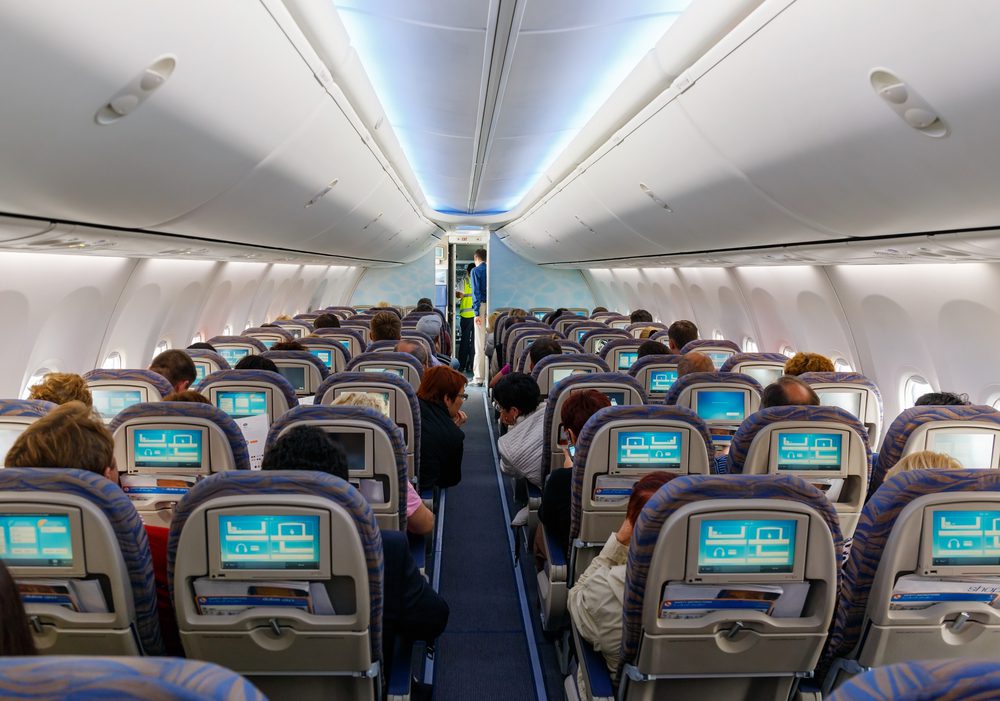
So, now that I’ve shared why I include probiotics as part of my daily life and travel routine, you might be asking which probiotics are best for travel.
If you’ve ever shopped for probiotics (or any vitamin or supplement), you’ve certainly seen how many brands there are with claims like, “the best probiotic for men” or “probiotics for constipation.”
There are many different types of probiotics and I know how easy it is to feel overwhelmed and unsure about which probiotics are best. To be upfront and really clear, I have NOT tried all of the so-called best probiotic supplements. I found the right probiotics for me and I’ve continued to take them. (Why fix what isn’t broken, right?)
I use this ultimate probiotic formula because it makes sense for both my everyday life and for travel. These probiotics make good packing sense and give me enough protection no matter what germs I come across.

- Max Strength General Purpose Probiotic: Our non-refrigerated probiotic is designed to support digestive health & gut health. A great choice for those…
- Support Your Gut: Our probiotic contains 10 diverse high-quality probiotic strains and organic prebiotics – synergistically working together to…
- Survives the Gut: From start to finish – this probiotic is designed to survive the gut & maximize the colonization of our strains. We use a…
Probiotics for Travel: What to Look For
Whether you give the probiotics I take a try or choose from one of the many other quality probiotics, here are a few important things to look for.
First and foremost, you need shelf-stable probiotics that can be stored at room temperature. If a probiotic needs to be refrigerated, it’s certainly not travel-friendly.
I know these are live probiotics because there’s a best-by date on the bottle. There’s not much sense in taking or bringing along probiotics without live cultures for at least how long your trip is. Beneficial bacteria won’t do much if it’s not alive to fight off bad bacteria.
Look for probiotic labels that clearly show the CFU count. CFU stands for colony-forming units. Look for probiotics with a CFU in the billions and at least 30 billion for travel.
Look for probiotics that contain types of Lactobacillus, Bifidobacterium, and an overall diverse combination of bacteria. Lots of different strains of bacteria have been shown to be more powerful than probiotics with a single type of bacteria.
I take my probiotics regularly. But, if you’re looking to protect yourself just for an upcoming trip, plan to start up to a month before you leave for your trip, while you’re away, and for at least a week after your trip.
I’ve only ever taken the recommended dosage on the bottle and have found that to be fine for me. But it’s a good idea to talk to your doctor about the right dosage for you and the type of trip you’ll be taking. Not all destinations have the same level of risk when it comes to travel illnesses.
Probiotics for Travel Bottom Line
You’ve put your time and energy into planning that long-awaited vacation. Flights and hotels have been paid for and personal time off days approved. By taking travel probiotics, you’re adding a layer of protection so you can enjoy your travels.
So whether you’re trying new foods, coming into contact with a lot of other people on public transportation, or feeling some travel anxiety, there’s no reason your digestive health (and your trip) has to suffer!
Do you take probiotics for travel?
Like this post? Please share it on social media using the share buttons below.
