


Camping is one of the best ways to spend a weekend or longer! You can immerse yourself in nature, go solo or in a group, spend time bonding without technology, and enjoy a laid-back getaway or vacation. Particularly in summer, when you can spend your time hiking, swimming, and enjoying the outdoors.
If you’ve been wanting to head out into the wilderness but have no idea how this camping thing really works, I’ve got you covered in this camping for beginners complete guide. I was once a newbie camper, not sure I was prepared or thinking of everything I needed to plan.
But once you know what to pack and what to do, you’ll be ready to take on the world. Not to mention, open up possibilities for experiences that can only be had by camping out, like this once-in-a-lifetime trip to the Okavango Delta.

Camping 101 – Getting Started on Your Adventure
Planning your first camping trip takes some extra preparation. You’ll want to familiarize yourself with the area you’re heading to, get comfortable with your gear if it’s your first time using it, pick out the best spot to set up camp, and decide how long you’ll stay to ensure a great time on your first trip into the great outdoors.
Choosing Your Adventure: Different Types of Camping for Newbies
Before you start splurging on gear and filling up your backpack, it’s crucial to figure out what kind of camping experience suits you, especially if it’s your first time venturing into the great outdoors for an overnight stay. Here are a few options to consider:
1. Tent Camping
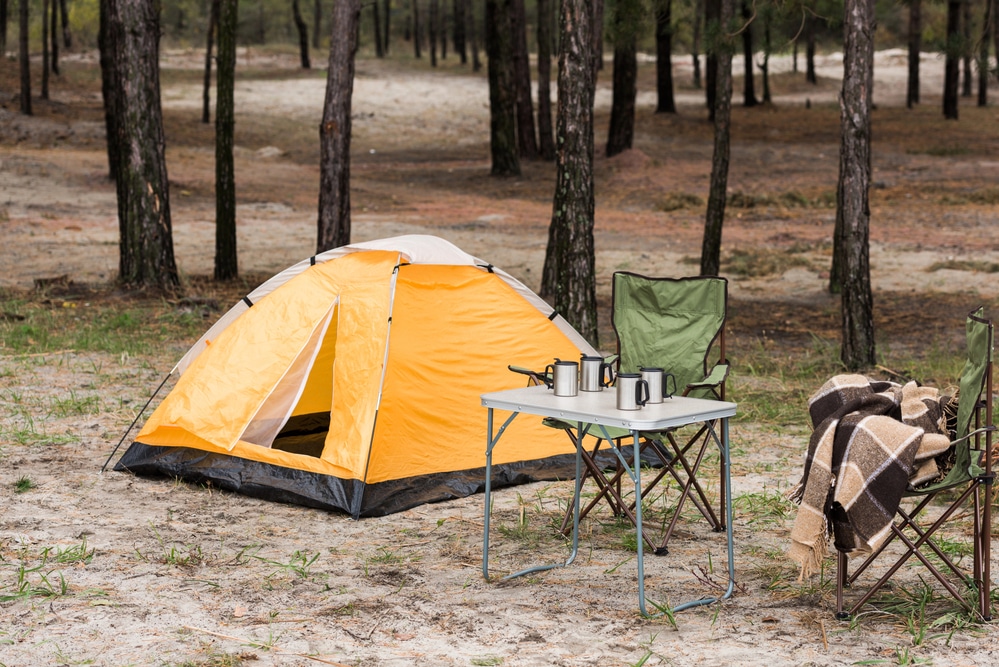
For beginners, tent camping is the most common type of camping. It’s usually done in recreational parks, campsites near hiking trails, or any spot (where it’s allowed) where you can enjoy the great outdoors and sleep under the stars.
This is the simplest form of camping to try, and the comfort level for beginners largely depends on the location you choose.
One of the beauties of tent camping is its versatility. Whether you’re a solo adventurer, a couple seeking a romantic getaway, or a family looking for bonding time, pitching a tent opens up a world of possibilities.
You can find basic campsites on the shores of a lake, nestled in a forest, overlooking a breathtaking vista, or even in the comfort of your own backyard for starters – the choice is yours.
2. Hammock Camping
Camping doesn’t always mean lugging around a tent. Sometimes, you can go as lightweight as you want. If you’re looking for a more flexible way to spend the night outdoors, hammock camping is the way to go!
With hammock camping, all you need is a great spot to hang your hammock. This approach works best in mild weather conditions—not too hot, not too cold. Plus, you’ll want to make sure your location is safe and that you have some buddies nearby for a peaceful, good night’s sleep.
I recommend hammock camping for beginners who are outdoorsy to begin with and are seeking an adventurous night under the stars.
From a gear standpoint, hammock camping is super easy and doesn’t require much. Setting up is a breeze and a hammock barely takes up any room in your backpack. On the other hand, you must pick a safe campsite so that you can feel comfortable during the night. You also have to plan for the unexpected like rain or what to do if you encounter a wild animal.
3. Car Camping
For an easy, flexible way to enjoy the outdoors without the hassle of backpacking, you can pack up your car with all your camping essentials and go on spontaneous weekend road trips out in nature.
Car camping offers a great alternative to traditional tent camping. You can set up your tent next to your car or even turn the back of your SUV into a cozy sleeping space with air mattresses or a sleeping pad. Just remember, you’ll still need to bring all the essentials like cooking supplies, camping chairs, tables, and toiletries.
You also want to be sure you’re parked in areas where it’s allowed to stay overnight.
4. RV Camping
RV camping is a great option for enjoying the great outdoors with some added comfort over traditional tent camping. It’s also especially convenient if you want to spend your days road-tripping through popular national parks.
Having an RV is also a step up from car camping since you can have your RV fully equipped with all your daily living items, even including your own bathroom.
RVs can be parked at special campsites with full hookups for water, electricity, and sewage.
Unlike tent camping, an RV allows you to travel and explore multiple locations without the need to set up and tear down a campsite each time you move. You can easily relocate to different spots within a national park or travel to various parks on a single trip.
Also, if you don’t own an RV, renting one is a great option. Numerous rental services offer a variety of RVs like a camper van or even a large motorhome, allowing you to choose one that fits your needs and budget.
5. Glamping
Glamorous camping, or glamping, is the perfect choice if you want to explore the great outdoors with maximum comfort. Many recreational parks and specialized outdoor areas offer a glamping experience, where your tent is already set up and stocked with all the necessities.
Plus, most glamping tents come with a real bed and a private bathroom. It’s like having all the comforts of home, but out in nature. The only downside is that glamping can be a bit pricey because of these luxuries. However, it’s a fantastic way to ease into camping while staying comfortable.
Essential Camping Gear & What to Pack
Deciding what to pack for your camping trip depends very much on the season. In summer, things like sun protection, a swimsuit, and the right hiking clothes to keep you cool are important. While in winter, an insulated, waterproof jacket and warm socks take the lead.
Packing your bag for a camping trip includes most of your hiking essentials, too, so this is a good place to start.
The next is gear. There is so much specific gear surrounding camping trips. You could spend a fortune before you even know if camping’s right for you!
To help you avoid this, I’ve put together a list of only the essentials. This camping guide will get you through any trip, without getting into the more nice-to-have pieces of gear like a hammock or a portable shower.
1. Tent
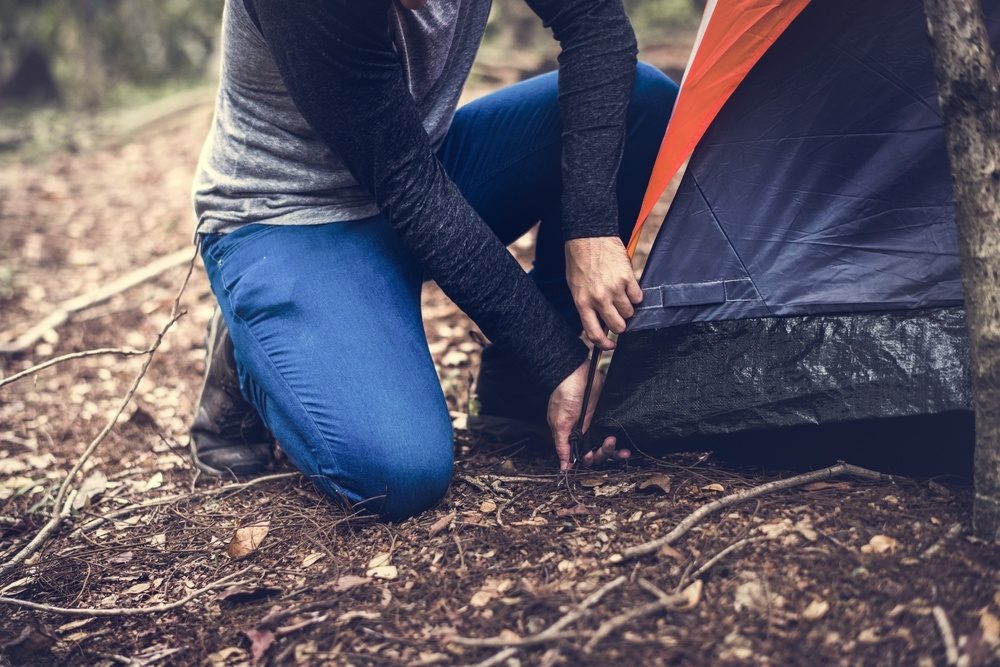
Even if this is your first time camping, you’re likely to know that a tent is the first thing you pack. Of course, buying a tent is a big purchase. After all, depending on your luck with the weather, the tent you choose can make or break the whole experience.
If you’re really set on camping regularly or at least giving your camping trip the best chance for success, a good quality tent is well worth the money. Shelter from the elements and a comfortable night’s sleep is a must!
You can check for tent deals at REI or Backcountry if you’d like to manage the costs until you know for sure camping is something you’ll like. Or consider a camping bundle with a few of the basics all included to get started.
No matter what, just be sure to choose a tent that includes a rain cover. Most tents do, but you’ll want to be sure. When choosing a tent, it’s best to invest in a waterproof tent specifically designed to withstand high winds and rain. There’s nothing worse than soggy or soaked sleeping bags and gear!
Rain covers are specifically designed so that they don’t get bogged down by the water, which could eventually topple your tent. It’s also not something you can add by bringing along a tarp.
Another important thing to think about when choosing your tent is how many people will usually be using it. If you plan on setting out alone most of the time, buy a small single-person tent.
If you’re going with friends or family, consider a two or four-person tent or even something larger. Even if you do camp alone, you may appreciate the extra roominess.
2. Camping Mattress
This may sound like a luxury buy, and some people can manage without a camping mattress. But even in warm weather, camping without a light mattress is cold, hard, and makes for a moody morning. Personally, I consider it a camping essential!
You can buy a blow-up mattress or a light, compact roll-up pad like I have. Anything really, that puts a bit of distance between you and the ground can really up the comfort level.
3. Sleeping Bag
Even for those planning to sleep under the stars (yes, that’s another option if your destination is clean, clear, and dry), a sleeping bag is a necessity. What you’ll need differs greatly depending on the kind of weather you’re expecting.
The best option for all-weather camping is probably a regular down-filled 30°F / -1°C sleeping bag. It’s light, cozy, and warm enough for most camping trips.
And if you do plan to do some colder winter camping, you can get a sleeping bag liner to further insulate. This way, you’re prepared for the cold, but you also don’t have to buy a whole new sleeping bag for the next trip.
4. Firestarter
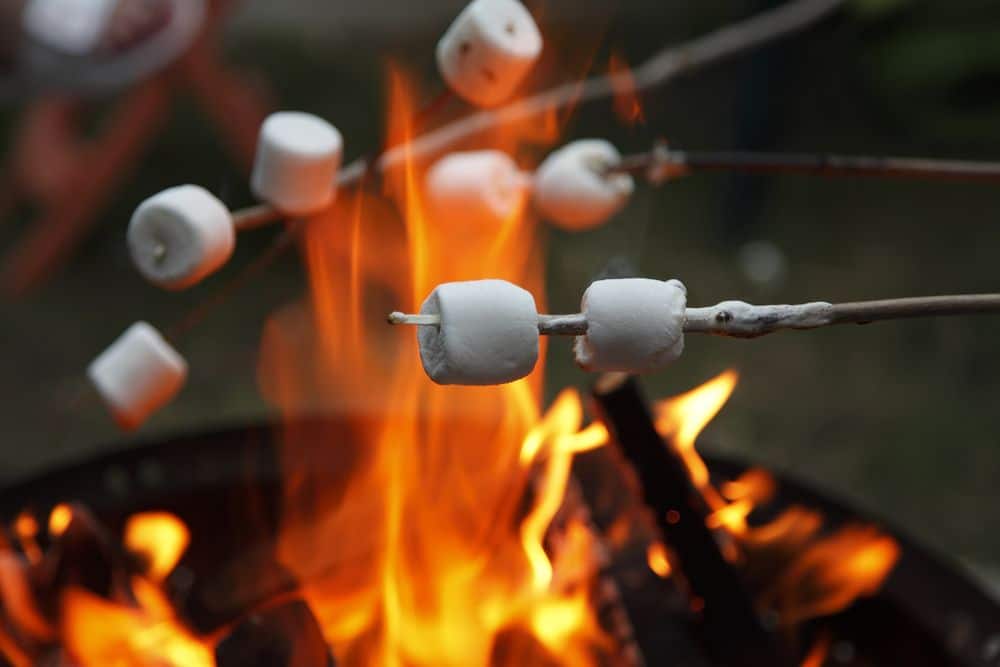
One of the best things to do while camping is to make your own fire. Then you get to spend the rest of the evening staying warm, telling scary stories, roasting marshmallows, and keeping the coyotes at bay. (Just kidding about those coyotes…well mostly! 😉 )
If you’re a novice to camping, it’s really easy to forget the little things like waterproof matches or a fire starter. As fun as it may seem to rub 2 sticks together to create a spark, it’s not as easy it as looks in the movies! (Have you seen Castaway?!)
Of course, you should only make a fire in a safe place, and only if it’s legal and unharmful to the environment you’re in.
Before you hit the road, check your campground’s rules about firewood.
Many campsites will not allow you to bring in your own wood from home. You need to use local firewood sold within 50 miles of your campsite or even from the campgrounds themselves. It helps to prevent new bugs from spreading to a forest where they shouldn’t be.
4. Campfire Grill & Kettle

Your basic camping gear should always include a means to cook food and boil water. It’s technically possible to do a 2-day camping trip with nothing that needs to be cooked. But you’ll certainly have more food options and better meals when you can prepare hot food.
If you’ve decided to give dehydrated food a try, a good backpacking kettle is all you need. If you prefer to go the old-fashioned route, bring a pot along from home, or buy a camping pot for a more lightweight option.
If you plan to make your own fires, bring along a lightweight campfire grill. You can also bring along a small gas cooker if fires are illegal where you’re camping, or a camping stove if you just feel more comfortable compared to cooking over an open fire.
5. Lighting
While a fire goes a long way, light is still really important. You may want to walk over to the nearby lake and look at the stars, or just stay up a bit in your tent. Feeling around for something you need with no light can be very frustrating!
Not to mention, if you’re out for a hike and return to the campsite later than expected, a light will help you safely find your way along a dark trail and navigate back to the campsite.
If you’re pressed, you can use your phone’s flashlight. But this isn’t an ideal solution, particularly because you want to save the power on your phone to stay connected.
Try to think about your camping plans. If you want to explore the area at night, a headlamp is a non-invasive light source that’ll allow you to keep your hands free. It’s also invaluable when trying to get dressed in a dark tent!
For your camp area, a camping lantern is ideal. I like ones that can be easily used in different places, like on a tabletop and hung inside a tent.
And if you’re in an area with mosquitos, a citronella candle is a helpful light source and a natural repellant. Mosquitos hate the smell of citronella, while most of us humans find it lovely.
Choosing the Perfect Campsite for Your First Camping Trip
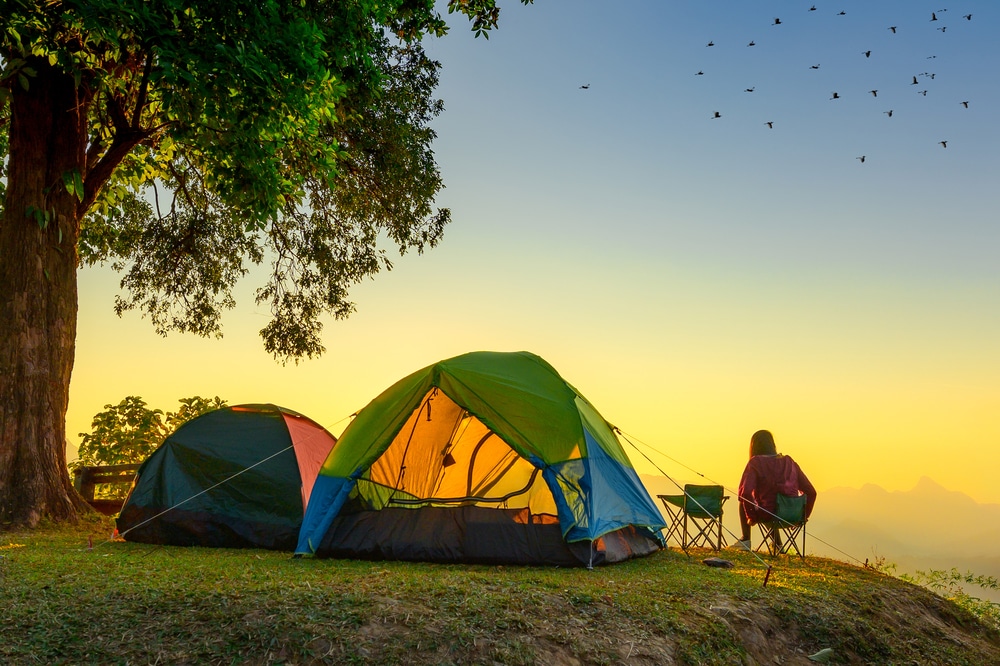
When it comes to planning your camping trip, nothing tops the importance of picking the perfect spot to pitch your tent for the night. Sure, you might have all your gear packed and ready for whatever comes your way, but let’s face it: the campsite you choose can make or break your first camping adventure.
1. Choose campsites with facilities.
For your first camping experience, choose campsites with access to amenities like restrooms and showers, especially if you’re not quite ready to embrace the full “back to nature” experience just yet.
Trust me, it’s one way to make your first camping trip much more comfortable. If you’re scouting for campsites online, make sure to look out for positive reviews on the available facilities.
I also recommend choosing a campsite within walking distance of the bathrooms but not right next to them. The foot traffic and bathroom noises during the night can be a real distraction when you’re trying to sleep. And don’t forget to bring toilet paper. Better to have your own that realize the campsite bathrooms have none left.
2. Pick campsites near activity areas.
Selecting a campsite close to activities such as hiking trails, fishing spots, or swimming areas makes your overall camping experience that much easier. You’ll have access to the activities you want to do without having to go too far from your campsite to reach them.
3. Avoid remote areas.
While getting off the grid might make your camping experience more serene, let’s keep it real for your first camping trip. In most cases, remote camping is best for seasoned campers and not a first-time camping experience.
Choosing a campsite that’s not too far from other campers or a nearby shop ensures you have a safety net nearby, so you’re never too far from help or civilization in case you need it.
Plus, it’s handy if you forget something crucial (like marshmallows for those campfire s’mores!).
4. Look for level ground with good drainage.
The importance of a good night’s sleep cannot be overstated, especially when you’re camping for the first time.
From someone who’s learned the hard way, wrestling with a lopsided tent or waking up in a puddle after a rain shower is not the kind of adventure you’re looking for. It’s also the best way to make you not want to camp again.
So, make sure to set up your tent on level ground to keep your tent dry and your sleep undisturbed.
5. Find campsites with great views.
Your first night camping might not be the coziest, as you’re still getting used to the idea of sleeping under the stars instead of in your comfy bed at home. But let me tell you, the slight soreness you might feel from sleeping in a sleeping bag is totally worth it when you wake up to a breathtaking view.
So, when you’re scouting for camp spots, prioritize locations with the best views to make your outdoor experience unforgettable once you unzip that tent.
Camping Tips to Keep You Comfortable
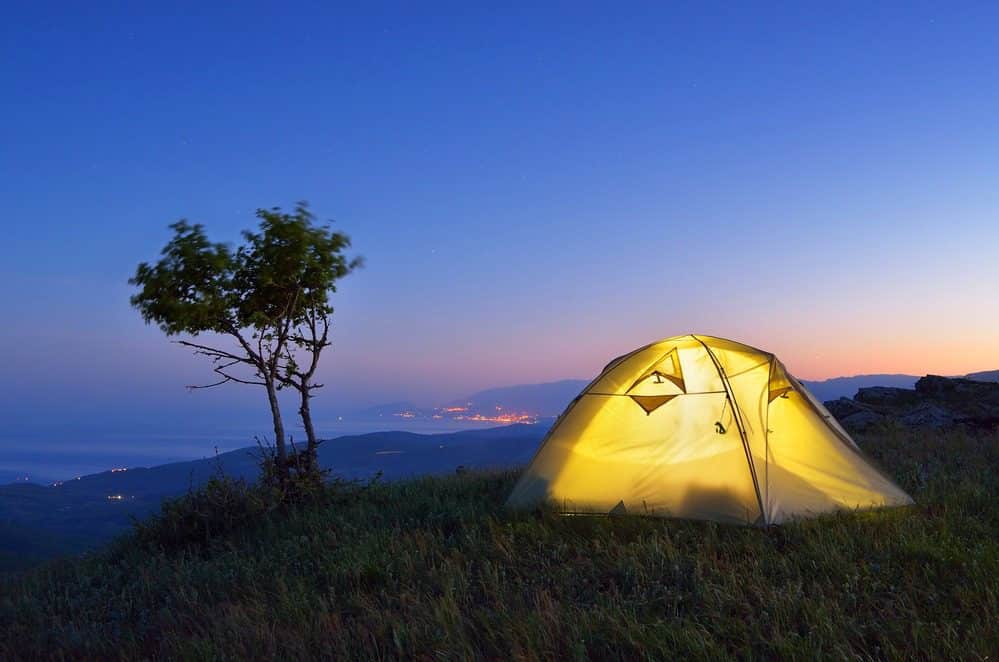
Now that you know what your camping basics are, you’re almost ready to get packing! These are just some handy camping tips for beginners that will get you thinking about all the fun ins and outs of camping.
Before the Camping Trip
1. Practice setting up your tent at home before you leave.
If this is your first time camping, you’ll want to learn how to do it while you’re in a comfortable space with no pressure should you run into problems.
You don’t want to start your camping trip not knowing how to put up your tent…not to mention if you’re running late and arrive with just a little remaining daylight!
And if it’s an old tent – borrowed or bought second-hand – it may be missing a piece or two. It’s far better to know what’s missing before you’re out in the wilderness so that you can replace it and avoid the panic of having a tent that doesn’t really work.
If you can, spend a night sleeping outside in your backyard using your tent and sleeping bag. This allows you to get accustomed to outdoor temperatures and practice getting comfortable sleeping in your sleeping bag before your actual camping trip.
2. Bring a hammer or mallet.
Knocking tent pegs into the ground can be difficult, and scrambling to find a rock to replace this handy tool isn’t as fun as it looks in the movies.
3. Remember the dishes, cups, and cutlery.
With the focus on making the actual campfire and packing food, it’s an easy thing to slip your mind! Trust me, eating oatmeal out of a pot with a fork is just a bit frustrating!
Mess kits are convenient and can be used for any kind of meal, but if you’re driving to your camping spot as part of a road trip rather than hiking to it, you can also bring normal reusable plastic kitchenware.
No matter what, everyone should have a refillable water bottle to stay hydrated.
ProTip: I also like to bring along foldable camp chairs so that I have a place to sit outside whether I’m eating or just enjoying the view. Trash bags are also handy for properly disposing of food waste and also when you need a barrier against moisture in a pinch!
4. Pack extra food and store it properly.
Being outdoors, whether you’re hiking or relaxing lakeside will make you hungrier than you think! Be sure to pack plenty of staples to cook easy meals and snacks for the times in between.
Prioritize protein snacks like nuts and hard-boiled eggs, fruits (dried or fresh), easy-to-open canned goods like tuna fish, and meals that don’t need a ton of ingredients. Pasta with black beans and grated cheese is one of my camping favorites!
And don’t forget lightweight extras like teabags. They make warm water taste so much better, keep you hydrated, and are quick to prepare on chilly mornings.
Just be sure all food is stored in air-tight containers and locked away or tied to a tree branch to keep the animals away at night. And, never store or eat food inside a tent. In bear country, bears don’t care if you’re sleeping. They just want the good stuff they smell.
If you’re planning to try your hand at camp cooking during your camping trip, it’s a great idea to practice cooking outdoors beforehand.
Whether you’re using a camp stove or cooking over a fire pit, familiarize yourself with your equipment and perfect your cooking techniques before you’re starving after a day of hiking and run into trouble while trying to cook.
By practicing ahead of time, you can make sure your meals turn out delicious rather than burnt or undercooked.
5. Pack spare socks and underwear.
Even if you think you have enough, pack one more pair. They’re so light and small that it isn’t inconvenient. And if anything goes wrong while you’re camping (like being rained out), your base layer is the most important in keeping you warm and comfortable.
6. Check the batteries of lights and other battery-operated gear.
Before you pack up all your battery-operated gear for your camping trip, take a moment to check that the batteries are still working and replace them if needed.
There’s nothing worse than arriving at your campsite only to find out that your flashlight or camping lantern is dim or doing the death flicker. So, take a quick inventory of your battery-powered devices and swap out any old or weak batteries for fresh ones.
ProTip: Always pack extra batteries just in case you run out of juice during your trip. It’s a small precaution that can make a big difference.
7. Bring along card games.
It’s such a small thing to fit into your pocket or bag, and you can have so much fun with them while warming up by the fire, nestled in your tent, or even lakeside. Taking a break from screens and enjoying some classic off-the-grid entertainment is always a good idea when you’re out in nature.
Some board games can get a bit tricky, with numerous small pieces to lose, and paper parts that can blow off in the wind. While cards are paper too, they tend to be a little heavier, and a pack is so cheap, it’s not hard to replace.
Aside from regular playing cards, some of my favorite family-friendly card games are Exploding Kittens, Uno, Skip-Bo, and classic favorites like Go Fish and Old Maid.
For solo campers, a Kindle is the best way to store plenty of books to read!
Just be sure to bring a portable charger that can power up all your devices without needing a charge for days. Or to go completely rustic, pack a classic paperback so you don’t need to worry about batteries running out! 😉
8. Be ready for medical emergencies.
Whether you’re a camping beginner or not, you should always camp with a first aid kit. Not only for small cuts and scrapes, but things like ice packs, ace bandages, and disinfectant can become essential items when you’re hurt and waiting for medical assistance.
During your Camping Trip
1. If you want to have the light on in your tent, be sure to close the flap.
Flying bugs are all over the place in nature, and they’ll all be attracted to your tent – which isn’t much fun when it’s time to go to sleep. Of course, the citronella candle and some bug spray will help with this. But confused bugs will still come flying.
ProTip: You can also spray your tent, camping furniture, and clothes with Permethrin before your trip. Once dry, it’s odorless and repels bugs like mosquitoes for up to 6 washings. I used it while camping in Africa and came home without a single bug bite!
2. When nature calls…
If you’re camping in nature and there are no camping facilities, be sure to walk quite far from your tent to relieve yourself especially if you’re spending a few days in one place.
3. Be safe around the campfire
Having a campfire blazing is like the cherry on top of the camping experience. But remember, safety first!
When you’re setting up your campfire, keep it at least 10 feet away from your tent, and always know the conditions. If it’s windy or dry, it’s best to skip the fire altogether since those are prime conditions for it to spread like wildfire. Look for campsite warnings, too, if you’re in a fire danger area.
Once you’ve got your fire going, never leave it unattended, and steer clear of anything that could catch flames. The fire should be contained in a small area—just enough for campsite cooking and keeping warm.
ProTip: Before you get your heart set on a campsite, double-check if they allow campfires. Not all spots are fire-friendly, especially during peak fire danger seasons. Safety first, fun second!
4. Protect yourself from the sun.
Don’t forget to shield yourself from the sun’s rays. Even if you love the sun, you have to approach it differently when your trip is entirely outside.
When setting up camp, try to find a shady spot under some trees or use a canopy or tarp for cover. And if you’re out and about hiking or exploring, take breaks in shady areas to give your skin a breather from direct sunlight.
And of course, slather on that sunscreen! Make it a habit to apply and reapply sunscreen every couple of hours on all those exposed bits to keep sunburn at bay. Or wear UPF hiking clothes with sun protection built in so you don’t have to worry.
5. Keep an Eye Out for Wildlife
It’s a total thrill to see wild animals in their natural habitat. But while spotting them is a treat, it’s important to respect their space and remember you are in their home and not the other way around.
You should never touch or feed wildlife. Doing so can lead to injuries for both you and the animal, and it encourages them to seek out humans in the future which can ultimately put them in danger. Not to mention some National Parks and natural areas will charge hefty fines for anyone touching, feeding, or in any way harassing local wildlife.
Remember that if you’ve brought along snacks or food, be sure to store them in a bear-safe container to prevent attracting unwanted wildlife to your campsite.
Recommendations for First-Time Campers
Ideal Duration of the First Camping Trip
If you’re new to camping, starting with a shorter trip, like a weekend getaway, can be a good idea.
This allows you to test out your gear, get familiar with camping routines, and gauge your comfort level in the outdoors before committing to a longer expedition. I think overall it’s more manageable and gives you a great chance of a positive and successful camping experience that’ll leave you with the urge to camp again.
Be sure to also consider the activities you plan to do during your camping trip. If you have specific outdoor adventures in mind, such as hiking, fishing, or wildlife watching, you’ll want to plan enough time to fully enjoy these experiences.
Best Season to Go Camping
Depending on your preferred activities and preferences, both summer and early fall offer unique advantages for camping. In addition, the overall conditions tend to be the best for camping beginners.
In the summer, warmer temperatures create the perfect environment for water activities like swimming, kayaking, and fishing. Plus, it’s an excellent time to try out summer sports like hiking, biking, and rock climbing. However, be prepared for potential crowds and increased insect activity during this peak camping season.
On the other hand, early fall provides a more relaxed camping experience with fewer crowds and cooler temperatures. You can still enjoy outdoor activities like hiking and campfires but without the intense heat of summer.
The foliage also begins to change color, offering stunning views and photo opportunities. Just keep in mind that the days are shorter in early fall, so be prepared for earlier sunsets and plan your activities accordingly.
Ultimately, whether you choose summer or early fall for your camping trip depends on your preferences and the experiences you want to enjoy. Both seasons have their perks, so you can’t go wrong with either choice!
Book in Advance
You should always make a reservation for a campsite when the option is available. In some cases, it’s required.
You can book your camping trip in advance and secure your spot at popular campsites in U.S. National Parks through recreation.gov. Many campsites can book up well before the season. And as a first-time camper, you don’t want to arrive only to find out there isn’t an available campsite.
The great part about campsites that you can book ahead is they often have information and reviews so you know ahead of time about campsite offers basic amenities and get tips from previous campers.
Ready for Your First Time Camping?

Now that you know what you need to bring and do before your first camping trip, you’re ready for the great outdoors!
This beginner’s guide to camping can be adapted to suit every kind of camping trip. Whether you’re going on a weekend trip to a local campground or setting off for a National Parks road trip, I hope you find the tips in this guide to be helpful/
Camping is a lot of fun and you double your chances of doing it regularly the more you plan and know. So, get ready to set off with your newfound packing know-how and make a ton of great memories!
Are you planning your first camping trip?
Like this post? Please share it on social media using the share buttons below.