Nobody likes making mistakes, especially travel mistakes. After dreaming of a destination for what feels like forever, you want everything to go smoothly.
But, in the excitement of researching new destinations, finding deals, and making reservations, it’s easy to overlook the small, yet very important, details that could lead to some serious problems when traveling.
I speak as someone who has made my fair share of mistakes while traveling. But the good news is that with the right planning, even my biggest travel mistakes were not as bad as they could have been because I thought ahead of time about how to handle that situation should it come up.
So, whether you’re a once-a-year traveler or have the travel bug, like me, preparing and planning are the best ways to (hopefully!) avoid the most common travel mistakes. In this guide, you’ll find my travel-tested tips for doing so!
The Most Common Travel Mistakes to Avoid
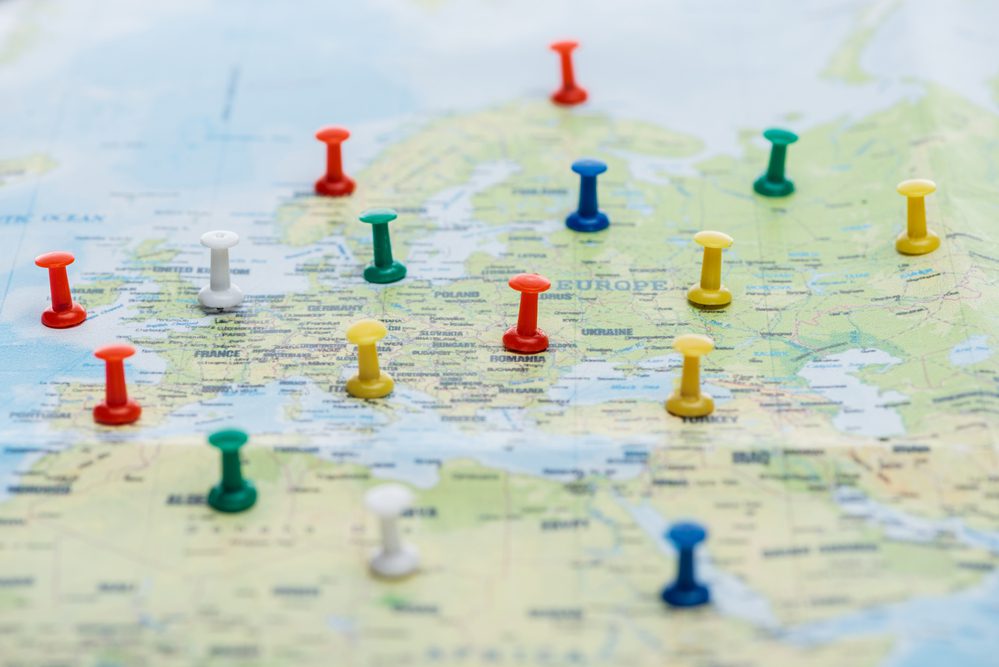
Travel Mistakes: Travel Planning and Reservations
Many problems when traveling can be avoided right from the start with the right trip planning.
If you’re like me, you’re excited to be booking a trip! But it’s here that some of the biggest travel mistakes can happen. So, take the time to think about how you can set your trip up for success right from the start.
Before Traveling:
Choose the right destination.
Seems basic enough but it’s important to really ask yourself (and your travel companion) what type of trip you want to take right now.
If you’re exhausted and in search of rest and relaxation, it’s probably not the time to plan a trip with a lot of sightseeing. Looking for a trip that’s quick and inexpensive, then it’s not the right time for your bucket list trip to Antarctica!
Your next travel destination should match what you’re up for right now so that you’re in the right mindset to enjoy it.
Plan a realistic itinerary.
Ideally, you want to balance enough time to see and do the things you want to do without feeling like you’re rushing.
For most trips, it’s not practical to change hotels each night or to expect to see 4 countries in a week. It’s typically best to plan at least 2-3 days in each place you want to visit.
For example, if you’re in Spain for a week, you could split the time between places like Madrid and Barcelona. This would give you time to do some city sightseeing and also potentially plan 1-2 day trips. If you have 10 days, 2 weeks, or more, you can add other places accordingly.
Above all resist the temptation to over-plan. You’ll never regret having an extra day somewhere but moving too quickly and missing things you wished to see and do is never a good feeling.
Be careful with your flight connections!
As you look at flights, pay attention to how much time you have to connect.
For international travel, I never book an itinerary with less than 2 hours to make a connection. Every airport and country is different but, in my experience, delays, large terminals, and potentially needing to rescreen carry-on bags at security and go through an immigration checkpoint, can make anything less than 2 hours fraught with panic. Not to mention, checked luggage is more likely to miss its connection, too, when time between flights is short.
When in doubt, it’s better to choose a flight itinerary with a longer connection rather than choosing an itinerary with stress built into it.
Use your travel rewards miles and points.
If you earn miles and points from a travel rewards credit card, figure out how you can use some of them to offset the cost of your trip.
Maybe you have enough points for your flight. Or perhaps you have a combination of hotel points and free night award certificates to cover some of your hotel nights. Either way, you’ll keep money in your pocket and avoid the worst points and miles mistake of them all!
Check all booking details before completing your purchase.
Especially for your flights but with all your trip bookings, make sure your dates, destination, and airports are correct. Check that you’ve spelled your name right and it’s as it appears on your travel documents. It’s harder to change these things afterwards and sometimes a change could come with added fees.
For flights, if you catch a mistake within 24 hours, it’s possible to cancel an airline ticket with no penalty. Keep in mind, even if you immediately rebook, you may not end up with the same deal. You can also call the airline, hotel, or booking agent and explain what happened. Sometimes, it’s a pleasant surprise that something was relatively easy to fix.
Book popular activities and experiences in advance
It’s true, not everything needs to be booked ahead of time, although I find it saves time and hassle later when you book as much as possible before your trip.
In particular, though, some things must be booked ahead of time because they’ll sell out and you’ll miss your chance. These include places like DaVinci’s Last Supper in Milan, The Vatican in Rome, the Eiffel Tower in Paris, and the Alhambra in Spain.
As soon as you choose your destination and book your logistics, don’t delay in reserving entry tickets and experiences so you can see the sights you want and on the best days for your itinerary.
Make a plan for your airport transfer on arrival.
It doesn’t matter whether you choose to book a private transfer, take a taxi from the airport, or hop on a train or bus to reach your final destination. But, I recommend researching your options and choosing the one that suits your travel style and budget.
If you can, reserve your pickup or buy your train or bus ticket ahead of time. I find this is really helpful when you arrive and don’s want to deal with added stress in a new place. You’ll look like a travel pro and you’ll start your trip off right by arriving at your hotel much more settled than trying to figure out a spontaneous plan at the airport.
Don’t overpack.
You might think that not packing enough would be the most stressful. But actually, it’s when you pack too much and have to travel with all your bags through airports, onto trains, and up flights of stairs that it becomes a major stressor.
For some trips, there’s specific gear you might need. But for most sightseeing-type trips, you need much less than you imagine. Plus, in a pinch, you can likely find whatever it is that you need. When I pack, I put everything I want to take on the bed and then only take about half of those things.
It’s best to leave jewelry and other valuable items at home.
But if you do travel with them, use the safe in your hotel room to store your items. While you’re out, keep jewelry and electronics tucked away as much as possible to avoid opportunistic pickpockets.
Avoid eating at restaurants in prime tourist locations.
Not only are these the most overpriced, but they also typically serve food that caters to tourists. Whether it’s fast food or low-quality dishes, it likely doesn’t give you an idea of what the local cuisine is like.
Living in New York City, I’m always amazed at visitors who eat in Times Square when even walking just a few blocks away will land you on streets with much better restaurant choices. As a traveler, I always walk away from main tourist areas and look for places that are tucked away from the main flow of pedestrian traffic.
Be a respectful and responsible traveler.
When I was hiking in the Cinque Terre, there was a handwritten sign along the trail near a local farm reminding visitors that the land there was not a bathroom. The sad truth is that this sign was written for a reason. I always try to leave no trace that I was in a place and remind myself that it’s not just about me doing it this one time but that countless other visitors will also do the same.
Similarly, I’m very careful with animal experiences. There are a lot of unethical practices with animals being used for profit and enduring horrible treatment. My advice is not to take part in animal experiences without first knowing whether it’s ethical or not.
Do as the locals do.
Isn’t the essence of travel to experience new things and leave your daily life behind even if only for a few days?
In this spirit, keep an open mind. Try new foods, take part in hands-on activities, and respect local customs. By doing so, you get to experience life from someone else’s vantage point and learn new things. I find this to be the best part of traveling!
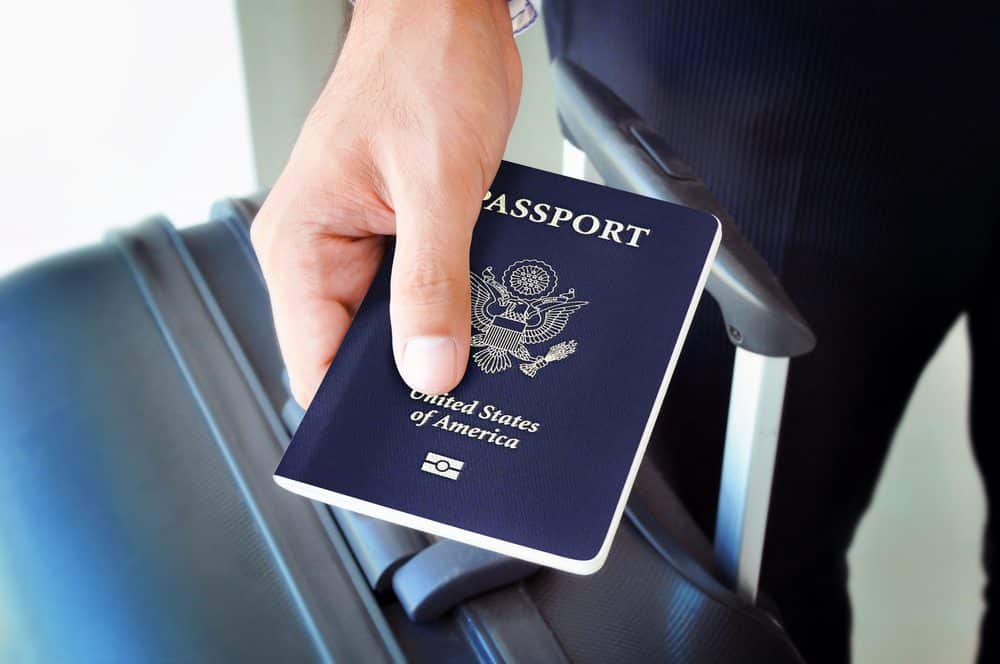
Travel Mistakes: Passports & Important Documents
For U.S. residents, in 2007, the Western Hemisphere Travel Initiative went into effect requiring a valid passport for international travel. This includes travel from the U.S. to the Caribbean, Mexico, and Canada. Adult passports are valid for 10 years while a child’s passport is valid for 5 years.
In 2025, the REAL ID law went into effect in the U.S. Everyone 18+ needs a REAL ID-compliant driver’s license for domestic flights. You can also use your passport or other accepted IDs like a U.S. Military Card or a Global Entry Card.
Before Traveling:
Apply for a passport if you don’t have one.
If you’re traveling outside your home country, you need a passport.
First-time passport applications in the U.S. must be done in person at a Passport Acceptance Facility. Allow at least 4-6 weeks to receive your new passport or be prepared to pay extra for expedited service.
Check your passport.
Many countries require that your passport is valid for at least 6 months beyond your return date.
Passport renewals can be done online, by mail or, if need be, in person at a Passport Agency.
Be sure your passport also has at least 2 blank pages or else you may not be permitted to depart for and/or enter your destination. Even though fewer countries are stamping passports, there are still plenty that are so check that you have the pages.
If you notice any errors, like a misspelling of your name or incorrect date of birth, schedule an appointment right away at your state’s Passport Agency. Likewise, if your passport shows any signs of damage, you should have it replaced.
Take photos of your passport.
You should take a photo of your passport and save it to a cloud-based service, like Dropbox or Google Drive to access the photo of your passport from abroad should it get lost or stolen.
You can also make paper copies for yourself and a trusted friend or family member back home just in case you need to verify your residency.
Find out if you need a Visa.
Check the visa requirements for the countries you’re visiting. When required, some have a visa-on-arrival system at the airport while other countries require an advance application.
I almost missed one of my Patagonia flights because I didn’t have my Argentinian visa sorted out correctly. (No longer needed, by the way.) The bottom line is to do your homework so you don’t get stuck at the airport.
While Traveling:
Don’t carry your passport on you.
Lock your passport in the hotel safe with other valuables. Use a Pacsafe Travelsafe to secure your bag if you’re staying at hostels, guesthouses, or other accommodations with no safe.
If you need a form of identification, you can get a passport card. The card is separate from a passport and not suitable to use for international travel on its own, but it is an I.D. card and serves as proof of U.S. residency should your passport get lost or taken.
I’ve also shown the digital photo of my passport in a pinch with no problem when asked to show I.D.
Don’t delay if your passport is lost or stolen.
First, take a deep breath and be sure it is, in fact, missing. You don’t want to report a missing passport, only to find it shoved under your socks in your suitcase.
If your passport is truly missing or has been stolen, report it to the U.S. embassy as soon as you confirm it is gone.
Travel Mistakes: Money, Credit Cards, & Banks
From choosing the right credit cards to bring on an international trip to the best ways to convert currency, we all want to avoid as many common travel mistakes around money as possible! Who wants to discover they fell for a bad exchange rate or have paid unnecessary transaction fees while traveling abroad?
And if the unthinkable happens and your wallet is stolen or an ATM eats your debit card (true story!), you want to be prepared to handle these things so that you can continue to enjoy the rest of your trip.
Before Traveling:
Tell your bank(s) you’re traveling.
Some banks don’t require this anymore, but it’s still good to call to be sure your credit card will work outside of the country.
For debit cards, absolutely call the bank to set up a travel notification to make sure they’re not surprised to see activity at an international ATM.
Take the right credit cards.
Only take credit cards with no foreign exchange fees. Otherwise, you’ll have to pay a fee every time you use the card abroad. If you can, take different types of cards, like a Visa, MasterCard, and American Express. This way, if one of them isn’t accepted, stolen, or lost, you’ll have others to use.
Skip gift cards & traveler’s checks.
No one uses traveler’s checks anymore. I’ve traveled around the world and I’ve never used them, I haven’t seen anyone else using them, and have never been offered that as a payment type.
Similarly, if you have Visa gift cards, they typically don’t work outside of the country where they were bought. Also, don’t pre-load cards with the local currency of the country where you’re traveling. You’ll typically get a bad deal on the exchange rate.
In most cases, leave your home currency at home.
Unless you’re traveling somewhere that accepts your home currency, there’s no need to bring it. Your money won’t be accepted and now becomes something that can be stolen or lost.
If where you’re traveling to uses your home currency, bring new bills, if you can. Second best would be bills with no rips, folds, or marks and preferably with a newer issue date.
Countries like Cambodia and Ecuador use U.S. dollar notes. Even still, I had perfectly dollar bills refused because they weren’t deemed in new condition.
Set up your digital wallet.
If you haven’t yet, load at least 1 credit card into the digital wallet on your phone.
First, it’s harder to do once you’re already out of the country because you need to verify everything for security. Second, using a digital wallet, especially in city metro systems with contactless payment systems, makes it easy to pay without needing to take a card out of your bag or wallet.
It’s not only more convenient but it’s also safer because you keep your money and credit cards out of sight when paying for something.
Take photos of your debit and credit cards.
Save a front and back photo of each card you take on your trip. If something happens to one of them, you’ll easily have the card number and bank phone number to call to cancel the card.
Don’t get foreign currency at your home bank.
Besides sometimes being difficult to get in the first place, the exchange rate and fees your bank will charge are often among the worst. Skip this. Instead, use an ATM in the country where you’re traveling to get cash.
While Traveling:
Avoid exchanging cash at the airport.
These kiosks are just waiting for travelers who don’t realize the exchange rate is horrible. Don’t be one of them. To get cash in your destination’s currency, the best scenario is to use a bank location ATM near your hotel once you get settled.
Use your credit cards to pay for everything you can.
This won’t be a problem in many places since credit cards are widely accepted around the world. It’s convenient and saves you from needing to carry a lot of cash. Plus, if something goes wrong with a purchase like that bowl in Tuscany you bought never arrives, you have recourse by disputing the charge once you’re back home.
Always pay in the local currency.
When you use your credit card, you’ll likely be asked if you want to pay in the local currency or your home currency. Always pay in the local currency.
What you don’t realize by accepting this on-the-spot conversion is that there’s a baked-in convenience fee, not to mention the terrible exchange rates.
Decline the conversion offer at ATMs.
Similar to the above, you’ll likely notice ATMs asking if you’d like to proceed with the currency conversion during your cash withdrawal. You should 100% decline this and let your bank determine the exchange rate.
It’s sneaky because it looks like you can’t continue without accepting the conversion, but you absolutely can and should.
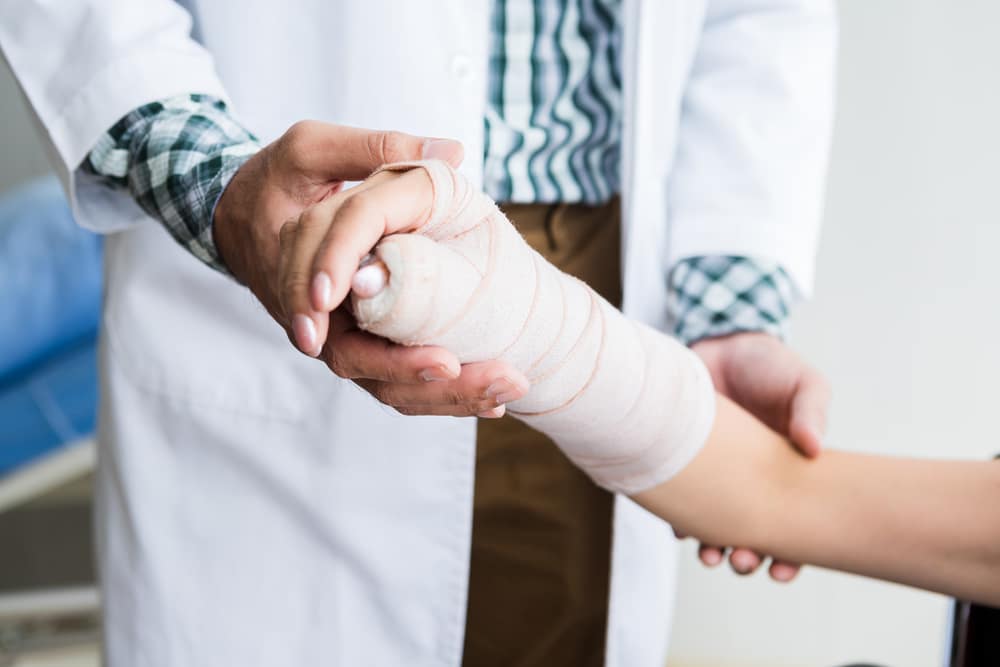
Travel Mistakes: Medical Emergencies
No one thinks they’ll be sick or need medical care while traveling abroad, but it can happen to anyone. And contrary to what you might imagine like a big medical event, it can be a simple accident like slipping in the hotel shower to twisting your ankle on some stairs, that derails your travel plans.
Even something as basic as keeping yourself hydrated can help avoid a visit to the local clinic or hospital. So, reduce the risks by planning ahead and being prepared should you need medical attention.
Before Traveling:
Get travel insurance.
You’ve taken the time to research and plan your trip, don’t overlook travel insurance.
By doing so, you give yourself peace of mind knowing that should you need to change your plans before your trip or need help during your trip, you have support and protection.
I was so grateful for travel insurance when my grandfather died just before a trip and I needed to change my plans only 2 days before departing.
Don’t forget recommended or required vaccinations.
Some countries require a Yellow Fever vaccine while many others require it if you’ve come from a country with Yellow Fever. And sometimes, it’s not easy to find a Yellow Fever vaccine because of shortages. A doctor might also recommend other vaccines depending on where you plan to travel.
For my first trip to Africa, I went to a clinic specializing in travel vaccines called Passport Health.
Save your travel insurance emergency contact in your phone.
Just in case! Do you really want to be searching for it or trying to connect to shoddy wifi in search of a phone number when you really need support?
Pack all prescription medicines.
Make sure you have what you need for the amount of time you’ll be traveling. Avoid security questions by carrying your medications in clearly labeled bottles.
I once had to beg a TSA agent to keep a cream prescribed by my dermatologist because the tube itself wasn’t labeled only the box it came in…which was long gone at that point.
Consider travel probiotics.
Probiotics are believed to help digestive health but also overall immunity. I take travel probiotics before and during travel to help my body fight everything from airport germs to an upset stomach from unfamiliar food.
While Traveling:
Have a credit card with “space” for emergencies.
Most insurance policies require you to pay for your emergency upfront. After filing, reviewing, and accepting your claim, you’ll be reimbursed after the fact. In the moment, you’ll need to pay medical bills and other costs on-site.
Call your travel insurance’s emergency hotline right away.
As soon as you know you need medical attention, make the call.
Agents can advise on the nearest medical facilities and advise you on what paperwork you’ll need for a potential reimbursement. Travel insurance might also be able to get a family member to you or assist with a minor child in your care depending on your coverage.
Keep all bills, receipts, and documents related to emergencies.
Hold on to all paper documents and save important emails and digital attachments. Take photos of any physical documents as well. Your travel insurance company is bound to ask you for some or all of these documents when you file your claim.
Travel Mistakes: Acts of Violence & Natural Disasters
Unfortunately, this makes the list, but only as something to be aware of and not something to stop you from traveling. Being the victim of a crime, getting caught in sudden unrest, and even natural disasters can wreak unexpected havoc on the most carefully developed plans.
And while you can’t prevent some of these problems from traveling altogether, you can prepare so you know what to do just in case.
Before Traveling:
Check for travel alerts.
The U.S. State Department details information on all the countries around the globe and, when necessary, issues travel alerts using a color-coded system. Think rationally about the information and cross-check it with any possible travel alerts issued by countries like Canada, the UK, and Australia.
When considering a country with a travel alert, I remind myself that things can look much worse in the media. You might be surprised that many countries urge their citizens NOT to visit the United States because of the risk of gun violence. Did you also know that the U.S. has an active travel alert for Italy and yet millions of Americans will visit Italy this year?
Still, these alerts are issued for a reason. It’s important to do your research. Also, in a lot of cases, if you visit a place with the highest alert level, understand that your travel insurance may be invalidated.
Bottom line, travel alerts should be looked at seriously, but then calibrated with everything else you know about the situation.
Enroll in STEP.
If you’re headed abroad, particularly to a place or a part of the world experiencing unrest, enroll in STEP.
The U.S. Government will keep you in the know with important information and alerts about your destination and can offer assistance while away from home.
While Traveling:
Speak up.
If you’ve been the victim of a crime, report it to local authorities and the local U.S. embassy immediately.
Be smart during an emergency.
In the event of unrest or natural disaster, contact your family as soon as possible to let them know your whereabouts. You should also contact the nearest U.S. embassy for advice and assistance on how to proceed safely.
Avoiding Common Travel Fails for a Successful Trip
The most common travel mishaps can be avoided with a bit of planning!
For those unexpected things that creep into your travel plans, being prepared eases your mind and can prevent anything further from derailing your trip. So take the precautions now to safeguard your travel experience from start to finish.
So, what are your questions about mistakes while traveling?
Like this post? Please share it on social media using the share buttons!
You have hit all the key mistakes that can happen while traveling. I hope many travelers whether first timers or vagabonds will read this, its full of useful information.
This is very comprehensive, and you know what, I completely agree that it’s so easy to overlook things. I haven’t had a major fail (knock on wood) but, booking online can be crucial. One tiny mistake can cost a lot of money sometimes!
Great list! My husband should have read this before booking our trip to Washington. Even though we had been married for 8 years at this point he booked my airline ticket under my maiden name! Complete fail. We didn’t catch it until a few days before when we were double checking our flight information for what time we had to be at the airport. I spent hours on the phone trying to get it fixed. Luckily, we were able to change it.
Wow this is a comprehensive and complete check list of travel planning must do’s. I think you did an excellent job of covering all the bases on preparing and having a smooth travel plan for any destination.
One of my biggest travel mishaps in 2015 was when I left our passports in the hotel! Long story short, we missed the plane from Kuala Lumpur to Penang, thankfully they are cheap tickets. This taught us to buy tickets that are refundable because we would have been able to take the next flight without the extra costs.
Great tip, Brenda! I usually use miles to book flights, but I must admit, when I pay for airfare I never pay for the refundable ticket because I’m trying to save money. Your advice makes me rethink this!
This is a very extensive list. Once I booked a stay at Hilton and decided to check two days before I traveled to make sure all was OK, only to realize that I had booked the wrong date which was in fact two days earlier. You got to check and double-check.
That’s a very useful tip. I always right down the dates and times of my arrival and departure if I have connecting trips such as plane and train or bus. I also pay extra for rebookable tickets in case there is a delay in my first leg of the trip. Stupidity and carelessness can cause you an arm and a leg.
I made a huge passport mistake before. I booked a ticket in my married name and my passport still had my maiden name. I don’t know how I did it. I book tickets all the time. I travel regularly but I just rushed through the page and missed it. Rush passport it was for me. Luckily, I was able to correct the mistake before my trip but it could have been a costly mistake.
I also never get travel insurance, which could be one of the most costly mistakes of my life. I keep hearing horror stories. Maybe it’s a sign to finally book that insurance.
Great tips. I’ll refer to this again before I travel next.
Yikes! Good you caught that, Lesley! I’ve rushed like that a booked the correct date, but in the wrong month (wishful thinking?). I think we all think of some catastrophic event where travel insurance will come in handy. But, it’s actually for those silly little things that happen like slipping in the shower or eating a food with something you’re allergic to. I’d take another look at it. 🙂
What a lot of people forget about visas is that you need them for a lot of ‘boring’ countries. A lot of people think they’re just for dangerous countries at war but TONS of countries require a visa and usually it’s a very simple process of just filling out some paperwork and forking over your cash.
Such great advice, Vanessa! That’s exactly what many people think, only to find out differently when they’re stranded at the airport. Always double check visa requirements.
Awesome tips! I got stuck once with not enough pages in my passport. I caught it just in time before I set off on a long journey but it literally was just in the nick of time. You have to watch what countries you need a visa for too. Countries I thought I could get into easily actually required a visa: always make sure to check.
Thanks, Alice. I think you’ve nailed it with the visa tip. There are so many countries people feel they can get into, but then find out otherwise. Great advice!
Wow! This is one comprehensive list of traveling tips, I learned a lot and I considered myself a pretty professional traveler. Had no idea about that CDC app of what foods to eat in a certain location. Cool stuff. Thanks for all the tips.
Lots of great tips here. I agree on your point to think rationally about safety alerts. If you follow the State Department’s advice you’d never go anywhere! If I’m unsure about the safety situation I try to find a friend or travel blogger who can give me some first hand knowledge.
Exactly, Amanda. You need to get several trusted viewpoints because government warnings, although based on their information, tend to be blanket statements and err heavily on the side of caution.
Hi Jackie,
You rightly pointed to maintain and I quote “credit card with space to charge medical expenses upfront”. Yes, that’s exactly I missed last time which landed me in serious trouble.
Other than that, honestly speaking the second mistake which I did (don’t want to recall as well) I didn’t create a balance between the two connecting flights, which almost landed me in serious trouble. But as luck would have, I “just” managed to board the other one, since my first flight was late.
Hi Afzal,
Thanks for sharing and I’m glad you just managed to board your connecting flight! I’m sorry to hear about your medical troubles while traveling and I hope you recovered from it ok. Thanks so much for reading.
Jessica Fradono
I had my bag snatched, with passports, in Phnom Penh. It was an expensive mistake. If you don’t have a safe in your room, it’s hard to decide if you should take it with you or leave it behind. I’d vote for leaving it behind. Always have a photo of it on your phone because most places that require you to show your passport (with the exception of airports) will allow you to just show a photo. Another thing I learned that you touched on here also is how important it is to research your destination and the common crimes that happen there. PP is known for purse snatching and although it can happen literally anywhere, maybe if I had known this is advance, I might have been more thoughtful about it. Great post by the way, such useful information for travelers of all kinds.
Oh, I’m so sorry that happened to you, Jessica! That really horrible! I’d agree with you that I’d leave valuables behind even if there wasn’t a safe. Great tip about having a photo of it on your phone. I do this, too. I also store it on a cloud so even if my phone is stolen, I could access that passport photo from any device. Thanks so much for reading!
Gail Anderson
Always take pictures of important documents with your phone. Then if something happens to that document you always have a copy of it handy! Make sure the pic is in the cloud and then you will be able to print it out if necessary.
Like every website with social media buttons, commenting, affiliates, and analytics embedded, The Globetrotting Teacher uses cookies. Please click ok to accept and/or visit my Privacy Policy to learn more. OKPrivacy Policy
Privacy & Cookies Policy
Privacy Overview
This website uses cookies to improve your experience while you navigate through the website. Out of these cookies, the cookies that are categorized as necessary are stored on your browser as they are essential for the working of basic functionalities of the website. We also use third-party cookies that help us analyze and understand how you use this website. These cookies will be stored in your browser only with your consent. You also have the option to opt-out of these cookies. But opting out of some of these cookies may have an effect on your browsing experience.
Necessary cookies are absolutely essential for the website to function properly. This category only includes cookies that ensures basic functionalities and security features of the website. These cookies do not store any personal information.
Any cookies that may not be particularly necessary for the website to function and is used specifically to collect user personal data via analytics, ads, other embedded contents are termed as non-necessary cookies. It is mandatory to procure user consent prior to running these cookies on your website.





You have hit all the key mistakes that can happen while traveling. I hope many travelers whether first timers or vagabonds will read this, its full of useful information.
Thanks, Nancy! Glad it’s a useful guide. 🙂
This is very comprehensive, and you know what, I completely agree that it’s so easy to overlook things. I haven’t had a major fail (knock on wood) but, booking online can be crucial. One tiny mistake can cost a lot of money sometimes!
Thanks, Erica. So glad you haven’t had any problems. Hope it stays that way!
Great list! My husband should have read this before booking our trip to Washington. Even though we had been married for 8 years at this point he booked my airline ticket under my maiden name! Complete fail. We didn’t catch it until a few days before when we were double checking our flight information for what time we had to be at the airport. I spent hours on the phone trying to get it fixed. Luckily, we were able to change it.
Good thing you double checked because that could have really hung you up at the airport! Glad you were able to fix it with it affecting your trip.
Wow this is a comprehensive and complete check list of travel planning must do’s. I think you did an excellent job of covering all the bases on preparing and having a smooth travel plan for any destination.
Thanks, Noel. I’m glad it’s a useful guide. 🙂
Great advice! Travel mistakes can happen to anybody though. Even me! I recently went to the airport on the wrong date (fortunately earlier, no later).
Phew, Anda! So lucky that worked out for you and proof that even frequent travelers make mistakes. 😉
One of my biggest travel mishaps in 2015 was when I left our passports in the hotel! Long story short, we missed the plane from Kuala Lumpur to Penang, thankfully they are cheap tickets. This taught us to buy tickets that are refundable because we would have been able to take the next flight without the extra costs.
Great tip, Brenda! I usually use miles to book flights, but I must admit, when I pay for airfare I never pay for the refundable ticket because I’m trying to save money. Your advice makes me rethink this!
This is a very extensive list. Once I booked a stay at Hilton and decided to check two days before I traveled to make sure all was OK, only to realize that I had booked the wrong date which was in fact two days earlier. You got to check and double-check.
So true! Those 5 extra minutes of checking and double checking can make all the difference in making your trip a success. 🙂
That’s a very useful tip. I always right down the dates and times of my arrival and departure if I have connecting trips such as plane and train or bus. I also pay extra for rebookable tickets in case there is a delay in my first leg of the trip. Stupidity and carelessness can cause you an arm and a leg.
Really good point, Jem! Many people don’t book the refundable/rebookable ticket because it costs more, but you’ll pay much more if something happens.
I made a huge passport mistake before. I booked a ticket in my married name and my passport still had my maiden name. I don’t know how I did it. I book tickets all the time. I travel regularly but I just rushed through the page and missed it. Rush passport it was for me. Luckily, I was able to correct the mistake before my trip but it could have been a costly mistake.
I also never get travel insurance, which could be one of the most costly mistakes of my life. I keep hearing horror stories. Maybe it’s a sign to finally book that insurance.
Great tips. I’ll refer to this again before I travel next.
Yikes! Good you caught that, Lesley! I’ve rushed like that a booked the correct date, but in the wrong month (wishful thinking?). I think we all think of some catastrophic event where travel insurance will come in handy. But, it’s actually for those silly little things that happen like slipping in the shower or eating a food with something you’re allergic to. I’d take another look at it. 🙂
I guess the thing that spoils travelling for most is being pickpocketed. I’m sure it’s happened to everyone.
My advice – never leave your hotel with ALL your cash and credit cards
Great advice, Fiona! Pickpockets strike all over the world. Leaving some cash and credit cards back in the hotel safe keeps you from being stuck!
What a lot of people forget about visas is that you need them for a lot of ‘boring’ countries. A lot of people think they’re just for dangerous countries at war but TONS of countries require a visa and usually it’s a very simple process of just filling out some paperwork and forking over your cash.
Such great advice, Vanessa! That’s exactly what many people think, only to find out differently when they’re stranded at the airport. Always double check visa requirements.
Awesome tips! I got stuck once with not enough pages in my passport. I caught it just in time before I set off on a long journey but it literally was just in the nick of time. You have to watch what countries you need a visa for too. Countries I thought I could get into easily actually required a visa: always make sure to check.
Thanks, Alice. I think you’ve nailed it with the visa tip. There are so many countries people feel they can get into, but then find out otherwise. Great advice!
Wow! This is one comprehensive list of traveling tips, I learned a lot and I considered myself a pretty professional traveler. Had no idea about that CDC app of what foods to eat in a certain location. Cool stuff. Thanks for all the tips.
Thanks, Melody! A fellow traveler suggested the CDC app. It’s pretty straightforward and can give sound advice without a lot of internet searching.
Its possible that I am lucky to have a mother who is a LITTLE bit of a worry wart to have trained me to do all this stuff growing up. Thanks mom! AHA
Hahaha, Kimberly! That’s perfect and I think I know the type. 😉
Lots of great tips here. I agree on your point to think rationally about safety alerts. If you follow the State Department’s advice you’d never go anywhere! If I’m unsure about the safety situation I try to find a friend or travel blogger who can give me some first hand knowledge.
Exactly, Amanda. You need to get several trusted viewpoints because government warnings, although based on their information, tend to be blanket statements and err heavily on the side of caution.
Scheduled changes. It really is important to keep an eye out for that. We once got left behind because of this. Not a good experience
Great advice, Karla! I’m sure that will serve as a good reminder for others. Getting left behind does not sound like a fun experience.
Hi Jackie,
You rightly pointed to maintain and I quote “credit card with space to charge medical expenses upfront”. Yes, that’s exactly I missed last time which landed me in serious trouble.
Other than that, honestly speaking the second mistake which I did (don’t want to recall as well) I didn’t create a balance between the two connecting flights, which almost landed me in serious trouble. But as luck would have, I “just” managed to board the other one, since my first flight was late.
Hi Afzal,
Thanks for sharing and I’m glad you just managed to board your connecting flight! I’m sorry to hear about your medical troubles while traveling and I hope you recovered from it ok. Thanks so much for reading.
I had my bag snatched, with passports, in Phnom Penh. It was an expensive mistake. If you don’t have a safe in your room, it’s hard to decide if you should take it with you or leave it behind. I’d vote for leaving it behind. Always have a photo of it on your phone because most places that require you to show your passport (with the exception of airports) will allow you to just show a photo. Another thing I learned that you touched on here also is how important it is to research your destination and the common crimes that happen there. PP is known for purse snatching and although it can happen literally anywhere, maybe if I had known this is advance, I might have been more thoughtful about it. Great post by the way, such useful information for travelers of all kinds.
Oh, I’m so sorry that happened to you, Jessica! That really horrible! I’d agree with you that I’d leave valuables behind even if there wasn’t a safe. Great tip about having a photo of it on your phone. I do this, too. I also store it on a cloud so even if my phone is stolen, I could access that passport photo from any device. Thanks so much for reading!
Always take pictures of important documents with your phone. Then if something happens to that document you always have a copy of it handy! Make sure the pic is in the cloud and then you will be able to print it out if necessary.
Thanks for reading, Gail. Yes, so important. I always have a photo of my passport and other documents in the cloud.